
ニデックは何を変え、何を守るべきか
ニデック に関する最近の記事を読んでいて、少し違和感がありました。
不正会計問題、
創業者支配、
M&A、
利益率、
人型ロボット、
航空宇宙――。
多くの論点が一つのストーリーとして整理されています。
しかし、本来これらは分けて考える必要があります。
特に、永守重信 氏の経営については、不正会計問題と「何を強みに成長した会社だったのか」は切り分けるべきでしょう。
ニデックの強さは、単純な「規模拡大」ではありません。
むしろ逆です。
極めて狭く、深く、自分たちの強みを定義してきた会社です。
モーターを中心に、
回転、
駆動、
制御、
精密加工、
量産改善。
この領域を徹底的に深掘りしてきました。
工作機械への展開も、突飛な多角化ではありません。
「精密に動かす」という延長線上にあります。
つまりニデックは、本質的には一貫した会社でした。
だからM&Aも、
「なんでも買う」
ではなく、
「自分たちが理解できる領域を広げる」
という発想だった。
ここが非常に重要です。
そしてこれは、創業者企業として極めて強いモデルでもありました。
「自分たちは何者か」
が明確だからです。
だから意思決定が速い。
どの技術を見るのか。
どの会社を買うのか。
どの顧客を取るのか。
すべて、
「モーター・制御・精密駆動に寄与するか」
で判断できた。
これは非常に強い経営OSです。
一方で、今回の記事では、
「人型ロボット」
「航空宇宙」
「ソリューション」
といった言葉が並びます。
もちろん、方向性としては理解できます。
モーター単体では利益率競争が激しくなる。
より上位のシステムや制御へ行きたい。
それ自体は合理的です。
しかし、ここで注意しなければならないのは、
「高付加価値そうだから参入する」
という発想です。
それは危険です。
ニデックの本当の強みは、
“ロボットそのもの”
ではありません。
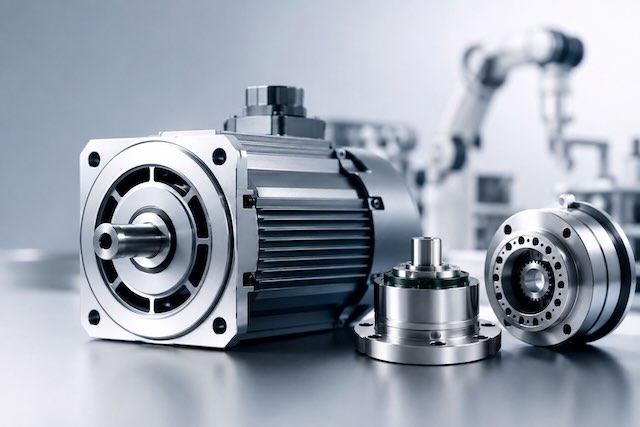
ロボットの中の、
モーター、
減速機、
アクチュエータ、
制御、
精密量産。
そこです。
つまり重要なのは、
「何をやるか」
より、
「何を絶対に捨てないか」。
ここを間違えると、
ニデックらしさが消えます。
今回の不正会計問題は重い問題です。
ガバナンスや内部統制の再構築は必要でしょう。
しかし、その議論と、
ニデックが長年積み上げてきた産業的な強みは、
本来別問題です。
不正を反省することと、
自社のコア能力まで否定することは違う。
むしろ難しいのは、
創業者型企業から制度型企業へ移行しながら、
その強みをどう維持するかです。
制度化すると、日本企業は逆に弱くなることがあります。
スピードを失い、
現場感覚を失い、
「何が自社の強みだったのか」
まで曖昧になるからです。
ニデックが本当に問われているのは、
M&Aを続けるかどうかではありません。
自分たちの強みを守りながら、
次の時代へどう接続するか。
そこなのだと思います。
What Should Nidec Change — and What Must It Protect?
Reading recent articles about Nidec, I felt there was an important issue being blurred together.
Accounting misconduct,
founder-driven management,
M&A,
profitability,
humanoid robots,
aerospace.
These are being packaged into one narrative.
But they should be separated.
In particular, discussions surrounding Shigenobu Nagamori often mix governance failures with the very source of the company’s industrial strength.
That is a mistake.
Nidec did not grow simply by “getting bigger.”
In fact, its strength came from the opposite approach.
The company defined its core extremely narrowly and deeply.
Motors.
Rotation.
Drive systems.
Control.
Precision manufacturing.
Mass-production improvement.
Even its expansion into machine tools was not random diversification.
It was still an extension of “precision motion.”
In other words, Nidec was fundamentally consistent.
Its M&A strategy was not:
“buy everything.”
It was:
“expand into adjacent areas we deeply understand.”
That distinction matters enormously.
And this became an exceptionally powerful founder-led model.
Because the company always knew exactly what it was.
That clarity accelerated decision-making.
Which technologies to pursue.
Which companies to acquire.
Which customers to target.
Everything could be judged through one lens:
“Does this strengthen our capabilities in motors, control, and precision drive systems?”
That is an extremely strong management OS.
Now, however, new keywords are appearing:
“humanoid robots,”
“aerospace,”
“solutions.”
The direction itself is understandable.
Standalone motors are becoming increasingly commoditized.
Higher-level systems and control layers offer better margins.
That logic is reasonable.
But there is danger if the company starts entering fields simply because they appear “high value-added.”
Nidec’s true strength is not “robots” themselves.
Its strength lies inside the robot:
motors,
gear reducers,
actuators,
control systems,
precision mass production.
That is the core.
So the real question is not:
“What should we enter?”
It is:
“What must we never abandon?”
If that becomes unclear, Nidec loses what made it unique.
The accounting scandal is undeniably serious.
Governance and internal controls must be rebuilt.
But governance failure and industrial capability are not the same issue.
Reflecting on misconduct does not mean abandoning the company’s core strengths.
The real challenge is harder:
Can Nidec transition from a founder-driven organization into a system-driven company while preserving the strengths that made it exceptional?
Many Japanese companies fail precisely at this point.
As organizations become institutionalized,
they often lose speed,
lose operational instinct,
and eventually lose clarity about what made them strong in the first place.
The real question facing Nidec is not whether it will continue M&A.
It is whether the company can preserve its core identity while adapting to the next era.
大原達朗が行うBBT大学での講座93%が満足と回答したファイナンスドリブンキャンプ
本講座では、短期間でCFO(最高財務責任者)への第1歩を踏み出すことを目指します。大量の決算書に触れ、大量にアウトプットし、大量のフィードバックを通してファイナンスという武器を手に入れられます。ブログでは話せない「ライブ講義」も充実しています。まずは無料説明会を受講してみて下さい。
本誌について
本誌は、M&Aを売り手、買い手、アドバイザーが三方良し、となるのが当たり前の世界の実現を目指しています。そのためには当事者が正しい情報を得て、安心して相談のできる場が必要です。その実現に向けて本誌は、日本M&Aアドバイザー協会で、以下のサービスやセミナーを提供しております。
| M&A仲介・アドバイザーを事業としたい方・既にされている方へ | |||
|---|---|---|---|
| セミナー・サービス名 | 詳細 | 金額 | 時間 |
| 誰にでもわかるM&A入門セミナー | ・会場開催の詳細とお申込み ・オンライン講座の視聴 |
無料 | 2時間 |
| M&A実務スキル養成講座 | ・会場開催の詳細とお申込み ・オンライン開催の詳細とお申込み ・M&A実務スキルの詳細 |
198,000円 | 2日間 |
| JMAA認定M&Aアドイザー資格取得およびJMAA会員に入会 | ・資格詳細とお申し込み | 入会金33,000円 月会費11,000円(1年分一括払) | - |
| 案件サポート制度 | JMAA会員が初めてM&Aアドバイザリー業務に取り組む場合、あるいはすでに何度かアドバイザリー業務に経験があっても、難易度が高い案件の場合のための、JMAA協会が会員に伴走して案件成約に向けて協力する制度です。 お申し込みは当協会ご入会後にお知らせします。 | JMAA正会員の関与する対象案件の成功報酬の50% | - |
| 買収を検討されている企業団体様へ | |||
| セミナー・サービス名 | 詳細 | 金額 | 時間 |
| 誰にでもわかるM&A入門セミナー | ・会場開催の詳細とお申込み ・オンライン講座の視聴 |
無料 | 2時間 |
| M&A実務スキル養成講座 | ・会場開催の詳細とお申込み ・オンライン開催の詳細とお申込み ・M&A実務スキルの詳細 |
198,000円 | 2日間 |
| 買い手様向けセカンドオピニオンサービス | ・M&Aセカンドオピニオンサービスの詳細 | 33,000円 追加相談サービス 33,000円/1時間 | 1時間〜 |
| 売却を検討されている企業団体様へ | |||
| セミナー・サービス名 | 詳細 | 金額 | 時間 |
| 誰にでもわかるM&A入門セミナー | ・会場開催の詳細とお申込み ・オンライン講座の視聴 |
無料 | 2時間 |
| M&A実務スキル養成講座 | ・会場開催の詳細とお申込み ・オンライン開催の詳細とお申込み ・M&A実務スキルの詳細 |
198,000円 | 2日間 |
| 売り手様向けセカンドオピニオンサービス | ・M&Aセカンドオピニオンサービスの詳細 | 33,000円 | 1時間〜 |

M&A実務を体系的に学びたい方は、M&A実務スキル養成講座

メルマガ登録はこちら
ファイナンスドリブンキャンプ
生成AIキャンプ

大原達朗の経営リテラシー-自ら考え、行動しよう-