
国債とETF、価格を支配した政策の代償
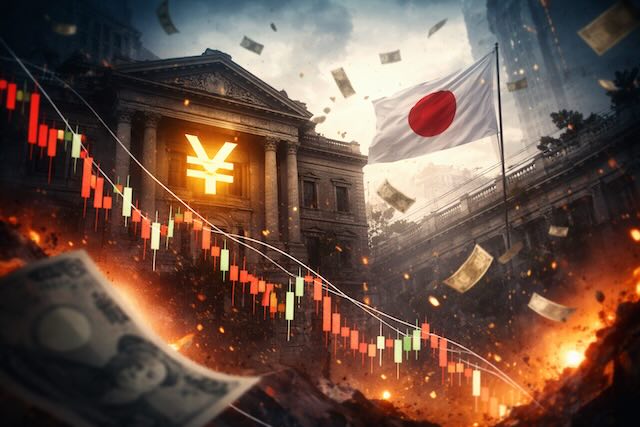
日銀の出口は静かに終わらない
国債とETF、価格を支配した政策の代償
日本銀行はこれまで市場を安定させてきたと評価されることが多い。しかし、その実態はそれほど単純ではありません。
結論から言えば、日銀は市場を支えたのではなく、市場の一部となり、価格形成に深く関与してきました。
そして現在、その状態からの退出、すなわち「出口」に直面しています。
この出口は、単なる金融政策の正常化ではありません。市場、財政、価格形成が同時に再接続されるプロセスです。
国債とETFで何が起きたのか
日銀は長年にわたり国債を買い入れ、発行残高の約半分を保有するまでに至りました。これは、本来市場が決めるべき金利が、中央銀行の行動によって大きく左右されてきたことを意味します。
同時に、ETFも30兆円規模で保有し、日本株市場における主要な株主の一角を占めています。
国債とETFは性質が異なりますが、共通点があります。
-
国債:金利を抑えるための介入
-
ETF:株価を下支えするための介入
いずれも、市場価格に対する政策的な関与です。
出口で必ず生じる逆方向の力
金融緩和は買えば成立します。しかし出口はその逆です。
-
国債を減らせば金利は上昇する
-
ETFを売却すれば株価は下落する
つまり、出口では必ず市場に負荷がかかります。
問題は、その規模と同時性です。
ゼロ金利が隠していた構造
この問題が長らく顕在化しなかった最大の理由は、ゼロ金利環境にあります。
日銀は国債購入の結果として、数百兆円規模の当座預金という負債を抱えています。しかし、ゼロ金利のもとではこの負債のコストはほぼゼロでした。
そのため、
「日銀保有国債は実質的に問題ではない」
という見方が成立していました。
金利上昇で顕在化した現実
しかし、金利が上昇すると前提は崩れます。
日銀の当座預金は数百兆円規模に達しており、重要なのは、この全体に対して金利がかかる構造にある点です。
金利が上昇すれば、その分だけ利払いコストは増加します。
これは、日銀保有国債が負担を消したのではなく、実質的に変動金利型へと姿を変えていたことを意味します。
ETFがもたらすもう一つの歪み
ETFはさらに異質です。
中央銀行が株式市場の大株主となりながら、議決権を行使しない。これは「沈黙する大株主」の存在を意味します。
この構造は、株価だけでなく企業統治のあり方にも影響を及ぼします。
なぜ「長期売却」しか選択肢がないのか
国債もETFも、一度に売却することは現実的ではありません。
-
国債を売れば金利が急上昇する
-
ETFを売れば株価が下落する
したがって、売却は時間をかけて分散するしかありません。
これは合理的な対応ですが、同時に出口が長期化することを意味します。
本質は「市場への再接続」
日銀が行ってきたことは、市場機能の一部を代替することでした。
そして現在は、それを市場に戻すプロセスに入っています。
しかしこのプロセスでは、
-
金利が市場で決まり
-
株価が市場で決まり
-
財政が市場で評価される
これらが同時に進みます。
つまり、抑え込まれていたリスクが一斉に顕在化する可能性があるということです。
結論
日銀の国債とETFの保有問題は、金融政策にとどまりません。
それは、
-
財政の持続可能性
-
市場の価格発見機能
-
資本市場の統治構造
を同時に問う問題です。
そして最も重要な問いは一つです。
「最終的に誰がこの市場を引き受けるのか」
出口はすでに始まっています。しかし、それが静かに終わる保証はどこにもありません。
The BOJ Exit Will Not Be Quiet
The Cost of Policies That Dominated Prices in JGBs and ETFs
The Bank of Japan is often credited with stabilizing financial markets. However, the reality is far more complex.
In essence, the BOJ did not merely support the market — it became a central participant, deeply influencing price formation.
Now, it faces the challenge of exiting that position.
This exit is not a simple normalization. It is a systemic reconnection of markets, fiscal conditions, and price discovery.
What Happened in JGBs and ETFs
Over the years, the BOJ has accumulated roughly half of outstanding Japanese government bonds. This implies that interest rates — which should be determined by markets — have been heavily influenced by central bank actions.
At the same time, through ETF purchases exceeding ¥30 trillion, the BOJ has become a major shareholder in the Japanese equity market.
Despite their differences, JGBs and ETFs share a common feature:
-
JGBs: intervention to suppress yields
-
ETFs: intervention to support equity prices
Both represent policy-driven influence over market prices.
The Inevitable Reverse Pressure at Exit
Monetary easing is straightforward — the central bank buys assets. Exit, however, works in the opposite direction.
-
Reducing JGB holdings pushes yields higher
-
Selling ETFs puts downward pressure on stock prices
In other words, exit inevitably imposes stress on markets.
The Illusion of the Zero-Rate Era
This issue remained largely hidden under a zero-interest-rate environment.
The BOJ accumulated several hundred trillion yen in reserves (current account balances) as liabilities. Under near-zero rates, the cost of these liabilities was negligible.
This allowed a widely held view:
“BOJ-held government debt is not a real burden.”
What Rising Rates Reveal
Once interest rates rise, that premise collapses.
The BOJ’s reserve balances amount to hundreds of trillions of yen. Crucially, interest is applied to this entire stock.
As rates increase, the cost rises accordingly.
This reveals a key reality:
BOJ holdings did not eliminate government debt — they effectively transformed it into floating-rate liabilities.
ETFs: A Different Kind of Distortion
ETFs introduce an even more unusual dynamic.
The central bank has become a major shareholder in the equity market — while refraining from exercising voting rights. This creates a “silent major shareholder.”
This affects not only price formation but also corporate governance structures.
Why Only a Gradual Exit Is Possible
Neither JGBs nor ETFs can be sold rapidly without consequences.
-
Selling JGBs would sharply raise yields
-
Selling ETFs would push down stock prices
Therefore, the only feasible approach is gradual, time-dispersed selling.
While rational, this implies a prolonged exit process.
The Core Issue: Market Reconnection
What the BOJ has effectively done is substitute for market mechanisms.
What is happening now is a reconnection to the market.
However, this is not a smooth transition.
-
Interest rates will be market-determined
-
Equity prices will be market-determined
-
Fiscal conditions will be evaluated by markets
All of these occur simultaneously.
Risks that were previously suppressed may re-emerge at once.
Conclusion
The BOJ’s holdings of JGBs and ETFs are not merely a monetary policy issue.
They raise fundamental questions about:
-
Fiscal sustainability
-
Market price discovery
-
Capital market governance
And ultimately, the key question is:
“Who will absorb this market in the end?”
The exit has begun. There is no reason to assume it will be quiet.
大原達朗が行うBBT大学での講座93%が満足と回答したファイナンスドリブンキャンプ
本講座では、短期間でCFO(最高財務責任者)への第1歩を踏み出すことを目指します。大量の決算書に触れ、大量にアウトプットし、大量のフィードバックを通してファイナンスという武器を手に入れられます。ブログでは話せない「ライブ講義」も充実しています。まずは無料説明会を受講してみて下さい。
本誌について
本誌は、M&Aを売り手、買い手、アドバイザーが三方良し、となるのが当たり前の世界の実現を目指しています。そのためには当事者が正しい情報を得て、安心して相談のできる場が必要です。その実現に向けて本誌は、日本M&Aアドバイザー協会で、以下のサービスやセミナーを提供しております。
| M&A仲介・アドバイザーを事業としたい方・既にされている方へ | |||
|---|---|---|---|
| セミナー・サービス名 | 詳細 | 金額 | 時間 |
| 誰にでもわかるM&A入門セミナー | ・会場開催の詳細とお申込み ・オンライン講座の視聴 |
無料 | 2時間 |
| M&A実務スキル養成講座 | ・会場開催の詳細とお申込み ・オンライン開催の詳細とお申込み ・M&A実務スキルの詳細 |
198,000円 | 2日間 |
| JMAA認定M&Aアドイザー資格取得およびJMAA会員に入会 | ・資格詳細とお申し込み | 入会金33,000円 月会費11,000円(1年分一括払) | - |
| 案件サポート制度 | JMAA会員が初めてM&Aアドバイザリー業務に取り組む場合、あるいはすでに何度かアドバイザリー業務に経験があっても、難易度が高い案件の場合のための、JMAA協会が会員に伴走して案件成約に向けて協力する制度です。 お申し込みは当協会ご入会後にお知らせします。 | JMAA正会員の関与する対象案件の成功報酬の50% | - |
| 買収を検討されている企業団体様へ | |||
| セミナー・サービス名 | 詳細 | 金額 | 時間 |
| 誰にでもわかるM&A入門セミナー | ・会場開催の詳細とお申込み ・オンライン講座の視聴 |
無料 | 2時間 |
| M&A実務スキル養成講座 | ・会場開催の詳細とお申込み ・オンライン開催の詳細とお申込み ・M&A実務スキルの詳細 |
198,000円 | 2日間 |
| 買い手様向けセカンドオピニオンサービス | ・M&Aセカンドオピニオンサービスの詳細 | 33,000円 追加相談サービス 33,000円/1時間 | 1時間〜 |
| 売却を検討されている企業団体様へ | |||
| セミナー・サービス名 | 詳細 | 金額 | 時間 |
| 誰にでもわかるM&A入門セミナー | ・会場開催の詳細とお申込み ・オンライン講座の視聴 |
無料 | 2時間 |
| M&A実務スキル養成講座 | ・会場開催の詳細とお申込み ・オンライン開催の詳細とお申込み ・M&A実務スキルの詳細 |
198,000円 | 2日間 |
| 売り手様向けセカンドオピニオンサービス | ・M&Aセカンドオピニオンサービスの詳細 | 33,000円 | 1時間〜 |

M&A実務を体系的に学びたい方は、M&A実務スキル養成講座

メルマガ登録はこちら
ファイナンスドリブンキャンプ
生成AIキャンプ

大原達朗の経営リテラシー-自ら考え、行動しよう-