
伊藤園自販機事業の減損と今後
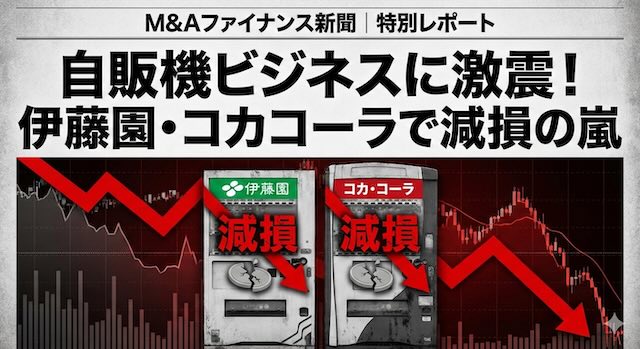
伊藤園が自販機事業で減損処理を行い、業績が悪化しました。自販機は本来、立地専有性と粗利率の高さから資本効率が出やすい事業とされてきました。しかし飲料メーカー主導のモデルは競争激化と市場構造の変化により収益性が低下し、減損が顕在化する局面を迎えています。同業のコカ・コーラボトラーズジャパンもシェアを確保したとは言い難く、自販機チャネルの優位性を失いつつあります。
日本の自販機は地代(固定賃料)ではなく、ロケーションコミッション(売上歩合)を支払うことで設置されてきました。このモデルは市場拡大には有効でしたが、競争環境下ではコミッション上昇と回転率低下が同時に発生し、ROICを毀損する脆弱性があります。補充・保守・在庫・決済・広告が分断されているため、統合による効率改善も進んでいません。
加えて、衝動需要の低下と小売競争の強まりも無視できません。コンビニ・ドラッグストア・スーパーの価格・利便性優位は明確で、夏季偏重の需要構造も変わりません。キャッシュレスの遅れや電力コストの上昇も収益を圧迫しました。
伊藤園は茶飲料の強みがありますが、自販機では炭酸・エナジー・コーヒーに比べ衝動性と価格プレミアムが弱く、自社ブランドのみの運用は不利でした。このため同社は自社縛りを諦め、他社ブランドを扱う“混載型(マルチブランド)”に移行しつつあります。混載になると競争軸はカテゴリー・SKU・価格・回転率の複合モデルに変わり、市場には未開拓領域が残ります。
実は日本では混載型はまだマイナーです。欧州ではSelecta型(platform-led vending operator)が主導し、B2B施設を軸に、食品・コーヒー・決済・広告を統合し、Exit(売却・二次PE・上場)が成立する産業となりました。対照的に日本では飲料メーカーの政治構造が統合を妨げ、退出も発生していません。減損と縮小が進行しているにもかかわらず、市場の統合は手つかずです。
統合主体として現実性が高いのは飲料メーカーではなく、物流・食品・コーヒー・商社・PEの領域です。具体的には、日本アクセス(伊藤忠)、国分、UCC(業務用コーヒー)、三菱食品、PEファンドが候補となり得ます。飲料メーカーは参加者としてSKUを提供する方が合理的です。
この案件は国内で完結します。人口動態、都市構造、衝動需要の低下、小売競争、B2Bの重要性、決済・広告の遅れ、物流の再編、電力コスト、労働コストといった転換条件はすでに揃っています。
自販機は“飲料事業”としてではなく、“小売インフラ+物流+B2B+決済+広告+Exit可能な産業”として再定義されつつあります。伊藤園の減損は単なる業績悪化ではなく、飲料メーカー主導モデルの終局と、混載・統合・Exitの余白が同時に顕在化したシグナルと見なせます。
Ito En recorded impairment losses in its vending machine business, leading to a deterioration in earnings. Vending machines historically generated attractive capital efficiency through location exclusivity and high gross margins. However, the beverage-manufacturer-led model has lost profitability amid intensified competition and structural market shifts. Coca-Cola Bottlers Japan has not secured meaningful share gains and is losing the strategic advantage of the vending channel.
Japan’s vending machines operate under a location commission model rather than fixed rent. While effective during market expansion, this model becomes fragile under competitive pressure: commission inflation and lower turnover erode ROIC. Fragmented operations—refill, maintenance, inventory, payments, and advertising—have also limited efficiency gains through integration.
Demand structure has deteriorated as impulse purchases declined and retail competition intensified. Convenience stores, drugstores, and supermarkets now dominate on price and accessibility. Delayed cashless adoption and rising electricity costs further pressured margins.
Ito En benefits from a strong tea category, yet tea has weaker impulse and price premium characteristics than carbonates, energy drinks, and coffee. Pure single-brand vending machines became disadvantageous. Ito En has begun shifting toward mixed-brand (multi-brand) vending, where competitive dynamics depend on category mix, SKU breadth, pricing, and turnover—an underdeveloped segment in Japan.
Mixed-brand vending remains minor domestically. In contrast, Europe adopted a platform-led model exemplified by Selecta, a leading platform vending operator integrating multiple categories (beverages, coffee, snacks), B2B channels (offices, hospitals, universities, factories), and multi-layer monetization (payments, advertising, data). Consolidation and exit events (secondary PE sales, trade sales, IPOs) occurred because platform economics—not beverage categories—became the value engine. Japan has seen impairments and shrinkage without consolidation or exit due to beverage-political constraints.
Realistic consolidators in Japan are not beverage manufacturers. The most plausible candidates are logistics, food distributors, coffee operators, trading houses, and private equity. Japan Access (Itochu), Kokubu, UCC (coffee), Mitsubishi Shokuhin, and PE funds could lead consolidation, with beverage companies participating through SKU and category contributions.
This thesis is domestic in scope. Japan already meets the preconditions for consolidation: demographic decline, retail competition, reduced impulse demand, B2B importance, delayed payments and advertising integration, logistics restructuring, and higher energy and labor costs.
Vending machines are transitioning from a “beverage business” to a “retail infrastructure + logistics + B2B + payments + advertising + exit-capable platform.” Impairments at Ito En signal not merely earnings deterioration but the end of the beverage-manufacturer-led model and the emergence of white space in mixed-brand consolidation and exit.
大原達朗が行うBBT大学での講座93%が満足と回答したファイナンスドリブンキャンプ
本講座では、短期間でCFO(最高財務責任者)への第1歩を踏み出すことを目指します。大量の決算書に触れ、大量にアウトプットし、大量のフィードバックを通してファイナンスという武器を手に入れられます。ブログでは話せない「ライブ講義」も充実しています。まずは無料説明会を受講してみて下さい。
本誌について
本誌は、M&Aを売り手、買い手、アドバイザーが三方良し、となるのが当たり前の世界の実現を目指しています。そのためには当事者が正しい情報を得て、安心して相談のできる場が必要です。その実現に向けて本誌は、日本M&Aアドバイザー協会で、以下のサービスやセミナーを提供しております。
| M&A仲介・アドバイザーを事業としたい方・既にされている方へ | |||
|---|---|---|---|
| セミナー・サービス名 | 詳細 | 金額 | 時間 |
| 誰にでもわかるM&A入門セミナー | ・会場開催の詳細とお申込み ・オンライン講座の視聴 |
無料 | 2時間 |
| M&A実務スキル養成講座 | ・会場開催の詳細とお申込み ・オンライン開催の詳細とお申込み ・M&A実務スキルの詳細 |
198,000円 | 2日間 |
| JMAA認定M&Aアドイザー資格取得およびJMAA会員に入会 | ・資格詳細とお申し込み | 入会金33,000円 月会費11,000円(1年分一括払) | - |
| 案件サポート制度 | JMAA会員が初めてM&Aアドバイザリー業務に取り組む場合、あるいはすでに何度かアドバイザリー業務に経験があっても、難易度が高い案件の場合のための、JMAA協会が会員に伴走して案件成約に向けて協力する制度です。 お申し込みは当協会ご入会後にお知らせします。 | JMAA正会員の関与する対象案件の成功報酬の50% | - |
| 買収を検討されている企業団体様へ | |||
| セミナー・サービス名 | 詳細 | 金額 | 時間 |
| 誰にでもわかるM&A入門セミナー | ・会場開催の詳細とお申込み ・オンライン講座の視聴 |
無料 | 2時間 |
| M&A実務スキル養成講座 | ・会場開催の詳細とお申込み ・オンライン開催の詳細とお申込み ・M&A実務スキルの詳細 |
198,000円 | 2日間 |
| 買い手様向けセカンドオピニオンサービス | ・M&Aセカンドオピニオンサービスの詳細 | 33,000円 追加相談サービス 33,000円/1時間 | 1時間〜 |
| 売却を検討されている企業団体様へ | |||
| セミナー・サービス名 | 詳細 | 金額 | 時間 |
| 誰にでもわかるM&A入門セミナー | ・会場開催の詳細とお申込み ・オンライン講座の視聴 |
無料 | 2時間 |
| M&A実務スキル養成講座 | ・会場開催の詳細とお申込み ・オンライン開催の詳細とお申込み ・M&A実務スキルの詳細 |
198,000円 | 2日間 |
| 売り手様向けセカンドオピニオンサービス | ・M&Aセカンドオピニオンサービスの詳細 | 33,000円 | 1時間〜 |

M&A実務を体系的に学びたい方は、M&A実務スキル養成講座

メルマガ登録はこちら
ファイナンスドリブンキャンプ
生成AIキャンプ

大原達朗の経営リテラシー-自ら考え、行動しよう-