
トランプ大統領がクレジットカード会社にぼったくりを許さないと表明
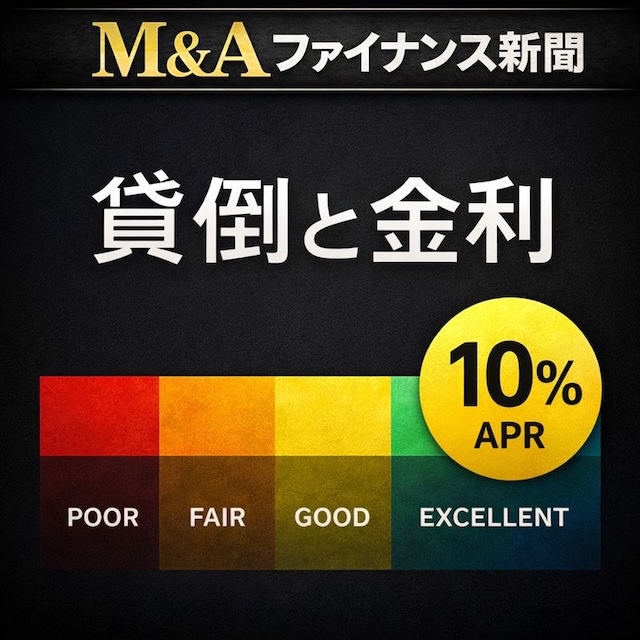
トランプ大統領は政策案として「クレジットカード金利を年10%に上限規制する」構想を示し、注目を集めています。政治的には消費者保護の色彩が強く、クレジットカード会社による高金利ビジネスを抑制する狙いが透けて見えます。しかし政策として成立させるには、実際の信用リスクや貸し倒れコストを無視することはできません。
クレジットカード会社の反論は明快です。高い金利は「荒稼ぎ」ではなく「貸し倒れ(チャージオフ)コストを回収するための価格設定」であり、上限を10%に固定すれば「貸し倒れコストを回収できない→貸し出し基準を引き上げる→信用の低い層がクレジット市場から排除される→非正規金融に流れる」という経路が現実に起きかねない、という主張です。アメリカは信用スコアで生活が階層化されているため、この指摘は実務的な重みがあります。
アメリカのクレジットカード平均金利(Annual Percentage Rate:APR)は概ね21〜22%台で推移しており、信用スコアや商品によっては30%台に達するケースもあります。金利と手数料収入はクレジットカード会社の収益を支える柱であり、経済的に脆弱な層ほど高いAPRを負担しやすいという構造的課題があります。
本質的な解決策は、金融教育を徹底し、経済的に合理的な判断ができる人の割合を高めることです。最も正しい処方箋ですが、時間もかかり、政策としてのカバレッジにも限界があります。このため実務では“中間解”として、貸し倒れリスクをプールする前提で高めの金利を設定し、結果として貸し倒れコストを金利に転嫁する仕組みが成立してきました。
問題は「10%という水準が妥当なのか」という点に尽きます。仮に規制を導入する場合、検証すべきポイントは以下の三つです。第一に信用スコア帯ごとの貸し倒れ率、第二に貸し倒れ率に対して適切なスプレッドをどの程度認めるのか、第三に排除される利用者層の規模と代替金融の有無です。
これらを定量的に評価せず、政治的スローガンだけで制度を変更すると、最終的な不利益は“保護されるはずだった層”に跳ね返る可能性があります。金融政策は逆噴射が起こりやすい領域です。
現在の対立構図は「庶民対カード会社」ではありません。正確には「貸し倒れコストを誰が負担するのか」「信用スコア下位層を市場に残すのか排除するのか」「排除された場合の行き先はどこか」という問題です。
結局のところ、議論の焦点は金利そのものではなく、社会としてどの範囲の信用アクセスを許容するのか、という制度設計の問題になります。10%という数字は象徴的で扱いやすい一方、制度としては最も慎重な検証を要する領域と言えます。
President Trump has proposed a policy to cap credit card interest rates at 10% annually. The initiative carries a strong consumer-protection appeal and appears aimed at curbing high-interest credit card business practices. Yet, any serious policy discussion must confront the underlying economics of credit risk and charge-off costs.
The credit card issuers’ counterargument is straightforward: high rates are not merely a form of “profiteering” but a way to recover expected charge-off losses. If a 10% cap were imposed, issuers would likely tighten underwriting standards, exclude lower-score borrowers from the formal credit market, and inadvertently push them toward informal or predatory lenders. In a country where daily life is tiered by credit scores, this point carries operational credibility.
The average Annual Percentage Rate (APR) on U.S. credit cards currently stands around 21–22 percent, with certain products and lower-score borrower segments reaching into the 30-percent range. Interest and fee income constitute a major revenue pillar for issuers, and the system tends to impose higher APRs on financially vulnerable populations.
The textbook solution would be to enhance financial literacy so that a larger share of consumers can make economically rational decisions. While sound in principle, this takes time and has inherent coverage limitations. In practice, the U.S. credit market has relied on a middle-ground mechanism: setting higher APRs to pool charge-off risk and pass the associated cost through the interest spread.
The core policy question is whether “10 percent” is economically appropriate. If such a cap were to be considered, three quantitative tests would be indispensable: (1) charge-off rates by credit-score segment, (2) the reasonable size of the risk spread needed to cover those losses, and (3) the size of the borrower population that would be excluded and whether viable alternative funding channels exist.
Without these evaluations, a slogan-driven cap could produce an unintended outcome: the very population the policy seeks to protect may bear the largest harm. Credit regulation is prone to such adverse reversals.
The real fault line is not “consumers vs. credit card companies.” Rather, it is about who bears the cost of charge-offs, whether lower-score borrowers remain inside the formal credit market, and where they go if they are forced out.
Ultimately, the debate is not about the nominal interest rate itself but about how society defines acceptable access to credit. The “10 percent” figure is symbolically effective, yet designing a durable framework demands far more rigorous validation.
大原達朗が行うBBT大学での講座93%が満足と回答したファイナンスドリブンキャンプ
本講座では、短期間でCFO(最高財務責任者)への第1歩を踏み出すことを目指します。大量の決算書に触れ、大量にアウトプットし、大量のフィードバックを通してファイナンスという武器を手に入れられます。ブログでは話せない「ライブ講義」も充実しています。まずは無料説明会を受講してみて下さい。
本誌について
本誌は、M&Aを売り手、買い手、アドバイザーが三方良し、となるのが当たり前の世界の実現を目指しています。そのためには当事者が正しい情報を得て、安心して相談のできる場が必要です。その実現に向けて本誌は、日本M&Aアドバイザー協会で、以下のサービスやセミナーを提供しております。
| M&A仲介・アドバイザーを事業としたい方・既にされている方へ | |||
|---|---|---|---|
| セミナー・サービス名 | 詳細 | 金額 | 時間 |
| 誰にでもわかるM&A入門セミナー | ・会場開催の詳細とお申込み ・オンライン講座の視聴 |
無料 | 2時間 |
| M&A実務スキル養成講座 | ・会場開催の詳細とお申込み ・オンライン開催の詳細とお申込み ・M&A実務スキルの詳細 |
198,000円 | 2日間 |
| JMAA認定M&Aアドイザー資格取得およびJMAA会員に入会 | ・資格詳細とお申し込み | 入会金33,000円 月会費11,000円(1年分一括払) | - |
| 案件サポート制度 | JMAA会員が初めてM&Aアドバイザリー業務に取り組む場合、あるいはすでに何度かアドバイザリー業務に経験があっても、難易度が高い案件の場合のための、JMAA協会が会員に伴走して案件成約に向けて協力する制度です。 お申し込みは当協会ご入会後にお知らせします。 | JMAA正会員の関与する対象案件の成功報酬の50% | - |
| 買収を検討されている企業団体様へ | |||
| セミナー・サービス名 | 詳細 | 金額 | 時間 |
| 誰にでもわかるM&A入門セミナー | ・会場開催の詳細とお申込み ・オンライン講座の視聴 |
無料 | 2時間 |
| M&A実務スキル養成講座 | ・会場開催の詳細とお申込み ・オンライン開催の詳細とお申込み ・M&A実務スキルの詳細 |
198,000円 | 2日間 |
| 買い手様向けセカンドオピニオンサービス | ・M&Aセカンドオピニオンサービスの詳細 | 33,000円 追加相談サービス 33,000円/1時間 | 1時間〜 |
| 売却を検討されている企業団体様へ | |||
| セミナー・サービス名 | 詳細 | 金額 | 時間 |
| 誰にでもわかるM&A入門セミナー | ・会場開催の詳細とお申込み ・オンライン講座の視聴 |
無料 | 2時間 |
| M&A実務スキル養成講座 | ・会場開催の詳細とお申込み ・オンライン開催の詳細とお申込み ・M&A実務スキルの詳細 |
198,000円 | 2日間 |
| 売り手様向けセカンドオピニオンサービス | ・M&Aセカンドオピニオンサービスの詳細 | 33,000円 | 1時間〜 |

M&A実務を体系的に学びたい方は、M&A実務スキル養成講座

メルマガ登録はこちら
ファイナンスドリブンキャンプ
生成AIキャンプ

大原達朗の経営リテラシー-自ら考え、行動しよう-